China
China
 Malaysia
Grab a dunnage bag without checking your void size or packaging strength, and you risk crushed boxes or shifted pallets. Getting it right comes down to matching the physical dimensions of your gap and the pressure limits of your cartons.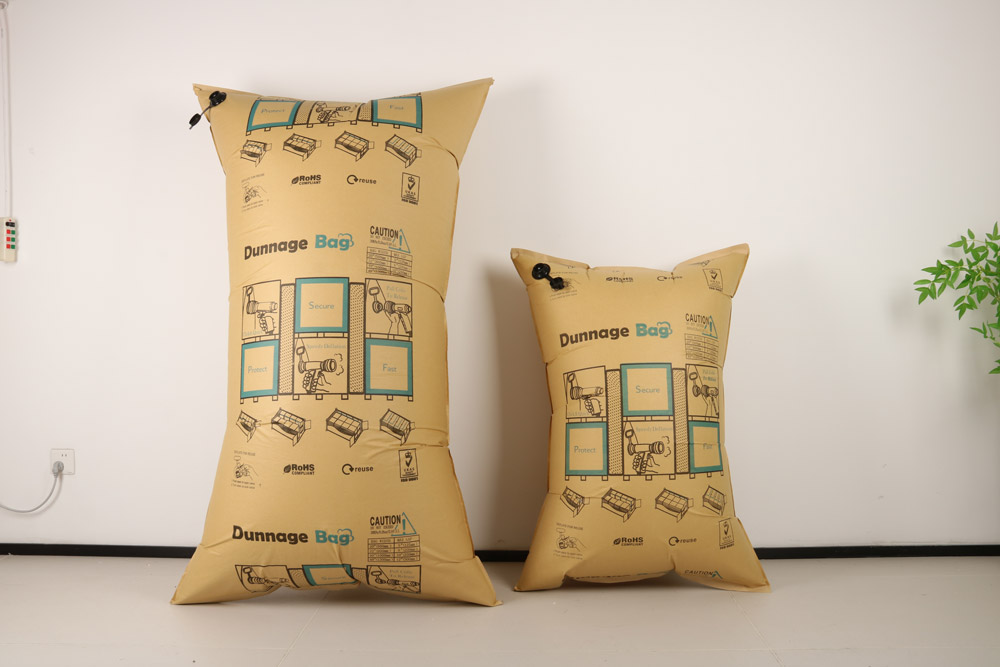
Road, ocean, and rail transport stress cargo differently. Look closely at your load. Corrugated boxes, metal drums, and plastic totes all handle outward bracing pressure differently. The goal is to secure the freight without the bag itself crushing your primary packaging.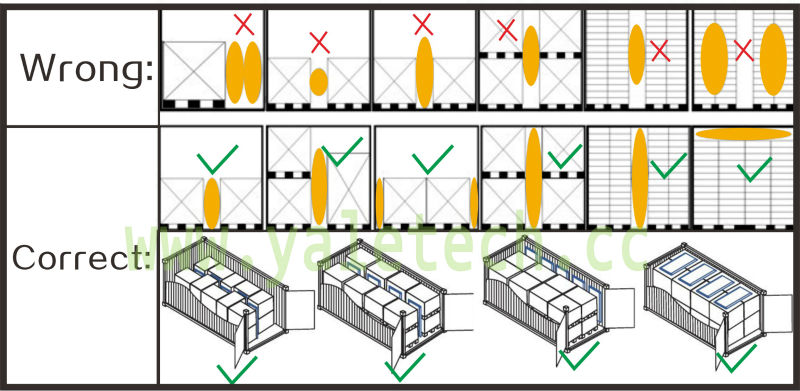
Do not size a bag based on pallet weight. Size it based on the physical void.
Measure the width of the gap between the pallets and the overall height of the cargo face. If you put a small bag into a wide gap, it inflates into a cylinder. This reduces the flat surface contact needed to restrict cargo movement. Always match the exact gap to the manufacturer's sizing charts to ensure sufficient contact area.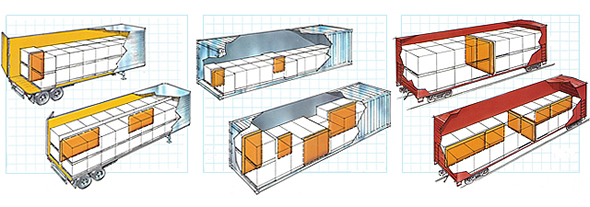
Higher pressure does not automatically mean better securement. You have to match the bag's specified working pressure to what your packaging can actually tolerate.
For instance, standard Kraft Paper Dunnage Bags operate at 3 psi. Level 1 PP Woven Dunnage Bags operate at 0.2 bar. Inflate to the specified pressure to brace the load and restrict movement, but verify first that your cartons can withstand that outward force without caving in.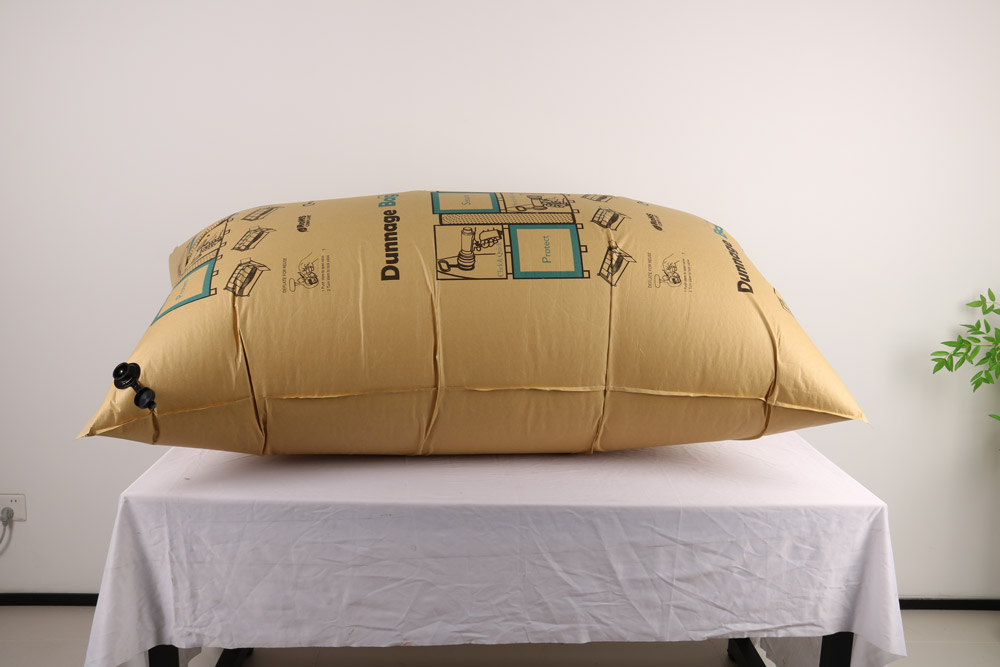
Dunnage bags generally come in two main outer constructions:
Kraft Paper Dunnage Bags: Built with a paper outer layer, commonly used to secure standard pallets and corrugated boxes.
PP Woven Dunnage Bags: Built with a woven polypropylene shell, providing a different structural setup for various environments.
(Note: We dive into the exact structural differences between these two in our next guide.)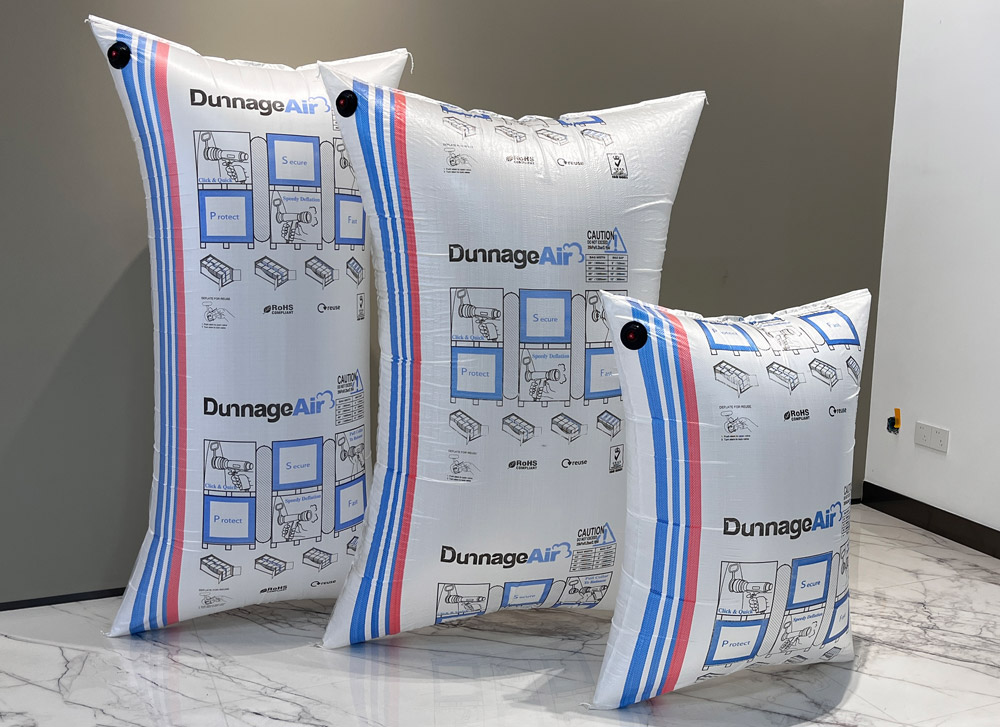
Standard sizes cover most typical loads. However, unusual cargo requires specific solutions.
If you ship irregular machinery, deal with non-standard void dimensions, or need corporate branding, Ameson builds customized bags. This includes specific bag dimensions, tailored material configurations, and custom logo printing.
Measure the actual width of the void and the height of the cargo contact face. Select a size based on these measurements and the manufacturer's sizing charts to ensure sufficient flat contact area once inflated.
Inflation must follow the specified working pressure for the particular product, such as 3 psi for standard Kraft Paper Dunnage Bags or 0.2 bar for Level 1 PP Woven Dunnage Bags. Ensure that your cargo packaging can withstand the pressure applied without crushing.
Both Kraft Paper and PP Woven Dunnage Bags are commonly used in shipping containers. The right choice depends on your cargo characteristics, the void size, your packaging's structural strength, and the specifications of the selected bag.
Yes. Ameson offers customization options including specific bag sizes, material configurations, and logo printing to meet non-standard cargo securement needs and branding requirements.