China
China
 Malaysia
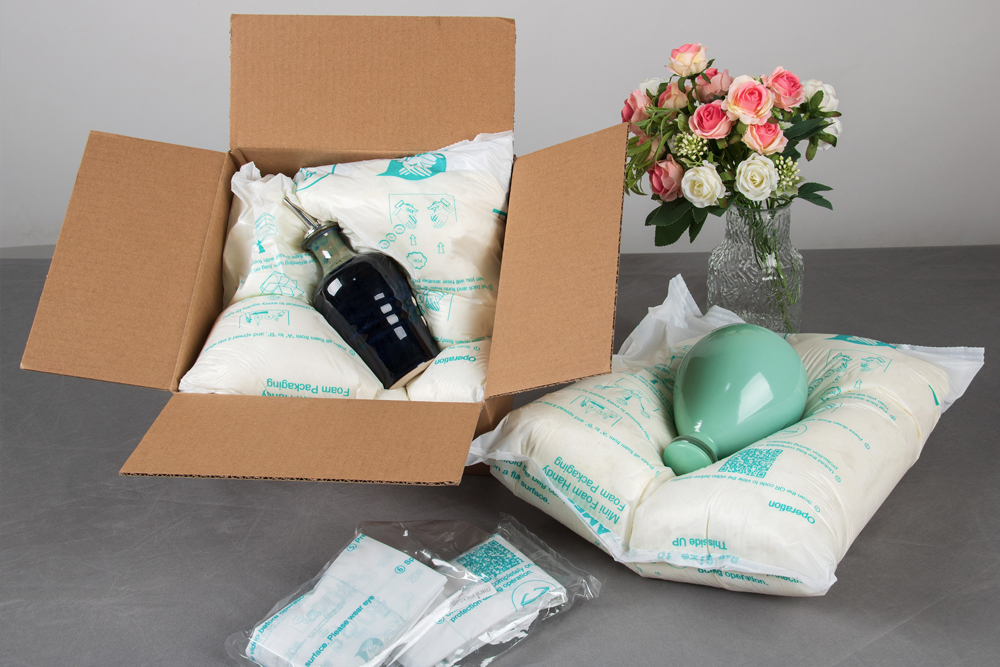
Shipping fragile items safely often comes down to how well you fill the empty space in the box. Traditional packing materials do not always offer a secure fit for odd shapes. Foam-in-place packaging solves this by creating a custom cushion right on the packing line. Hand-activated expanding bags let you do this manually, delivering reliable custom protection without investing in large dispensing machines.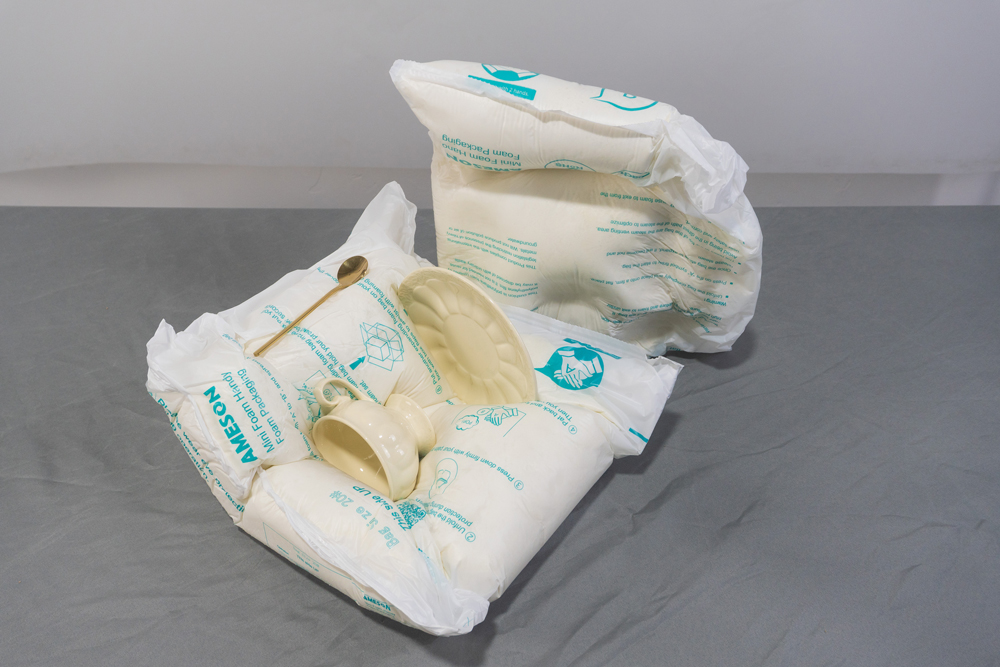
Instead of keeping racks of pre-made foam inserts in your warehouse, you create the protection exactly when you need it. The process starts by mixing two polyurethane liquids, Part A and Part B. This triggers a chemical reaction that makes the liquid expand rapidly into a dense foam. As it cures, the foam molds itself directly around the product, forming a custom-fitted cushion.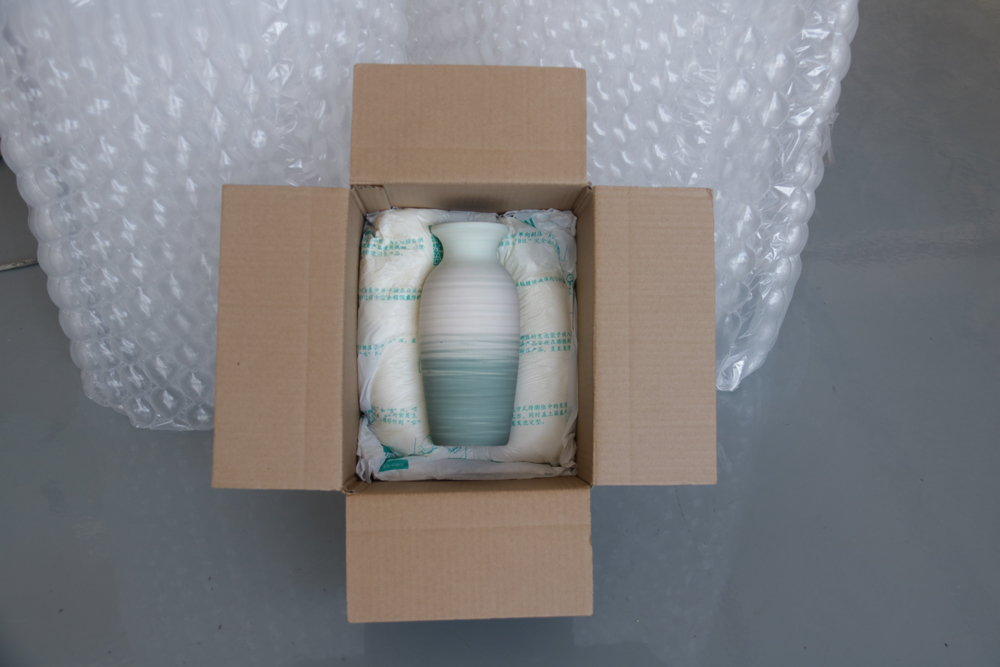
The entire chemical reaction happens inside a sealed plastic pouch. The packer simply presses on a marked spot on the bag to break an internal seal. This mixes the two liquids, and the bag inflates with foam in just a few seconds. The plastic bag itself keeps the expanding foam completely separated from your product during the process.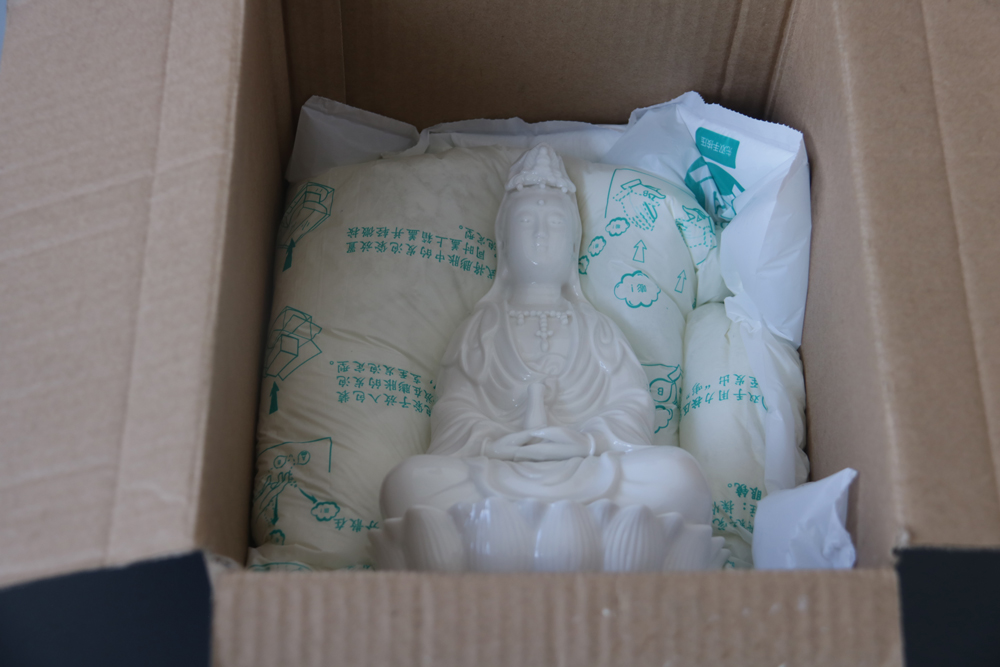
Expanding foam protects your goods by holding them firmly in place and absorbing shock. First, the expanding bag fills the empty gaps inside the carton, which stops the item from sliding or shifting around. Once the polyurethane hardens, the thick foam cushion helps absorb the impact and vibration your package encounters during normal transit.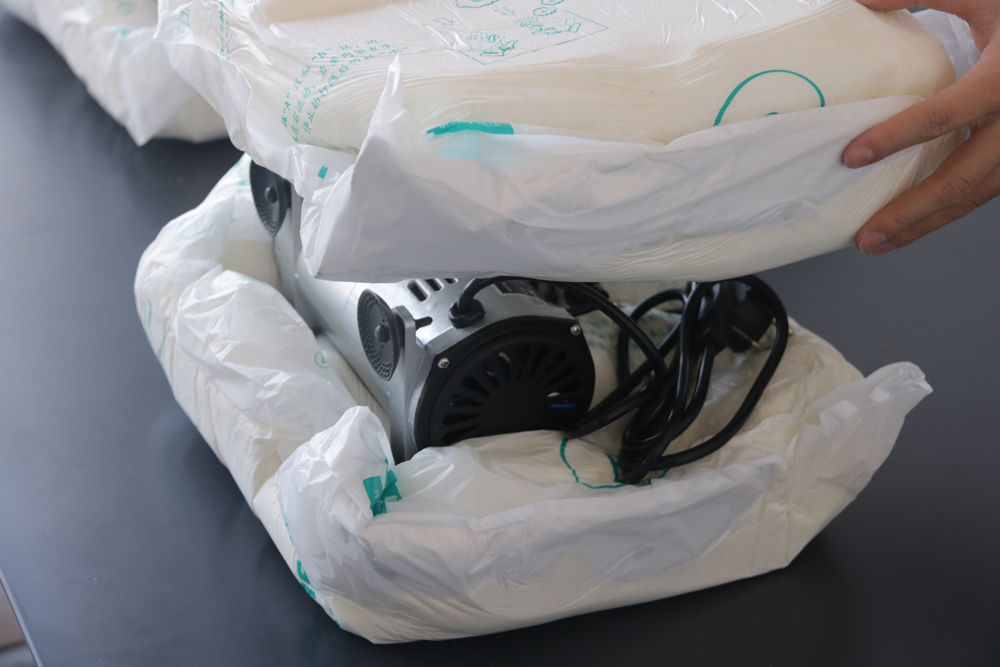
Standard box inserts do not work well for every product. Expanding bags are an excellent choice for shipping items with irregular shapes, such as delicate ceramics, heavy automotive parts, or sensitive electronics. For e-commerce fulfillment centers handling many different types of products, these flat-packed bags are highly practical. Storing boxes of flat bags takes up a fraction of the space required for bulky, pre-molded foam inserts, reducing your warehouse storage needs.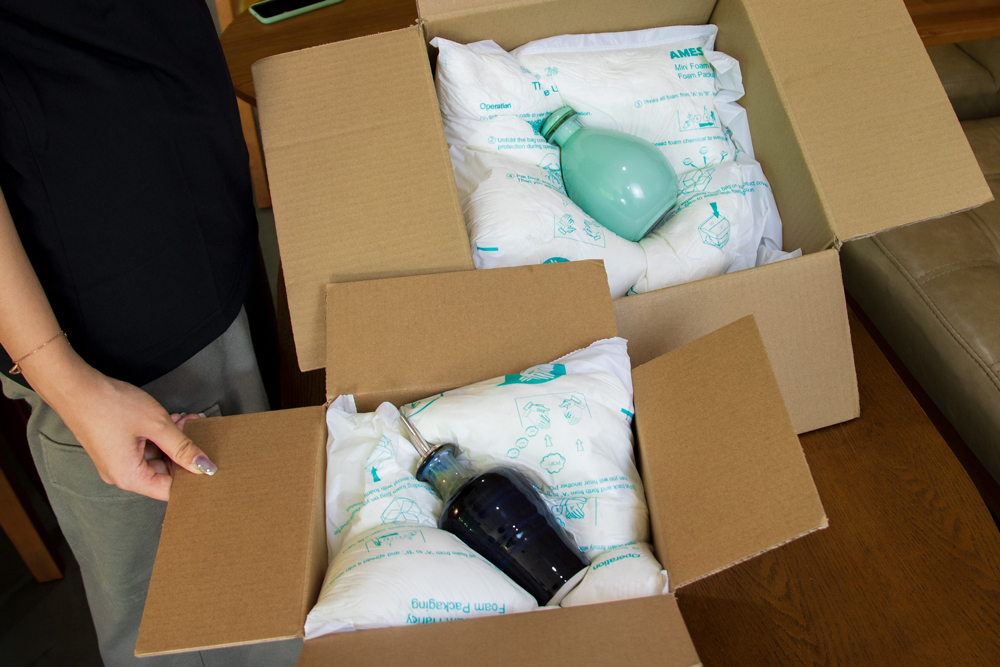
Because they require no equipment, hand-activated bags can be deployed instantly at any workstation. For optimal safety, users should wear basic protective gear (such as an apron, gloves, and goggles) and follow these steps:
Step 1: Activate and Mix
Unfold the bag completely with the "UP" side (marked with A and B) facing up. Press down firmly with your palm on section "A" until it pops, allowing the liquid to flow into section "B". Pat back and forth between "A" and "B" to mix the liquids until you hear another pop.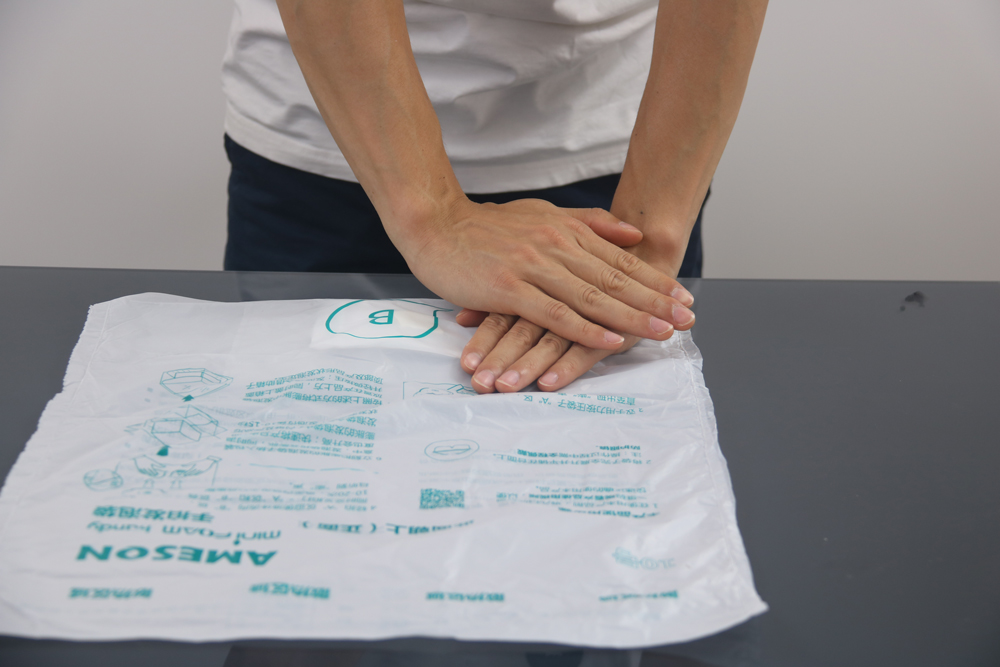
Step 2: Distribute the Liquid
Push the mixed liquid from section "B" into the main body of the bag. Pick up the bag and shake it briefly to ensure the liquid is spread evenly throughout the entire bag.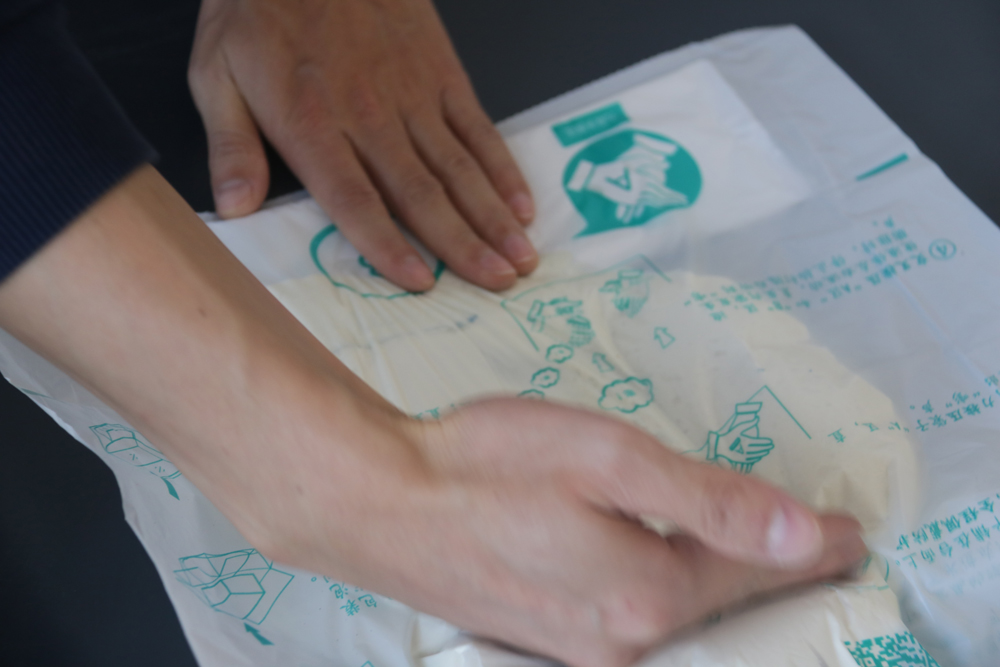
Step 3: Create the Bottom Cushion
Quickly place the expanding bag into the bottom of the carton. Place your product on top of the bag and press it down gently to help shape the cushion. Once you feel the liquid begin to warm up and expand, you can release your hold; the foam will naturally conform to the item's shape as it sets.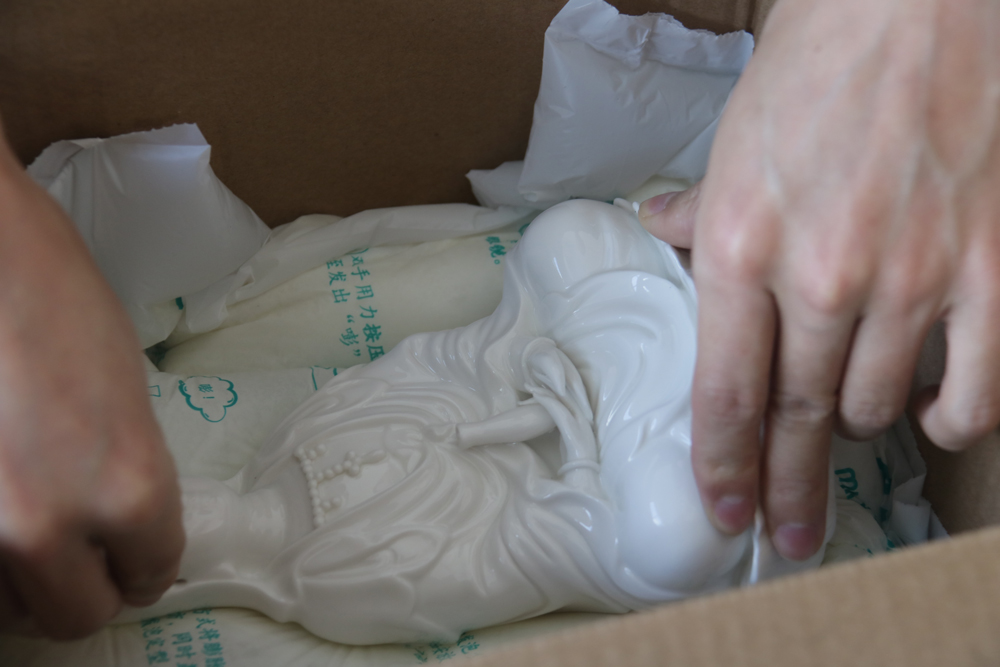
Step 4: Secure the Carton
To achieve the best protective results, we recommend using two bags per product. Activate a second foam bag using the same method and place it directly over your product. Immediately close the carton flaps to allow the foam to finish expanding inside the closed box. Doing this prevents the foam from expanding beyond the top edges of the carton, ensuring you can still seal and tape the box securely.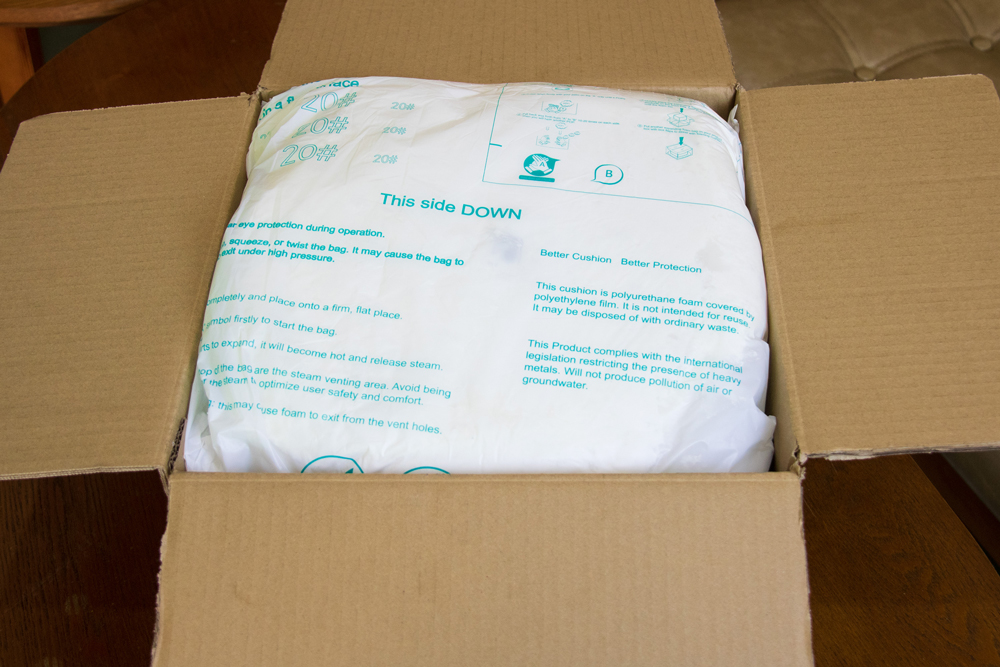
Foam-in-place packaging is an on-demand packaging method where liquid chemicals mix to create a foam that expands and hardens around a product, forming a custom protective cushion.
Users manually apply pressure to the bag to mix two internal liquids. This triggers a chemical reaction, causing the foam to expand inside the bag and mold around the product.
Yes. Hand-activated expanding foam bags contain everything needed for the chemical reaction within the bag itself, eliminating the need for specialized heating or mixing equipment.
Under normal use, it will not. The chemical reaction and foam expansion occur entirely within the sealed plastic bag. The bag conforms to the product's shape, and the sealed barrier keeps the expanding foam separate from the item.