China
China
 Malaysia
When shipping volumes increase, manual packing methods often become a bottleneck. If you are managing an active warehouse, you might be wondering: is an electric strapping tool worth it?
The decision comes down to more than just comparing an electric vs manual strapping tool. It is about evaluating what you actually gain in daily operations—speed, mobility, and material compatibility—to determine if the investment makes sense for your specific workflow.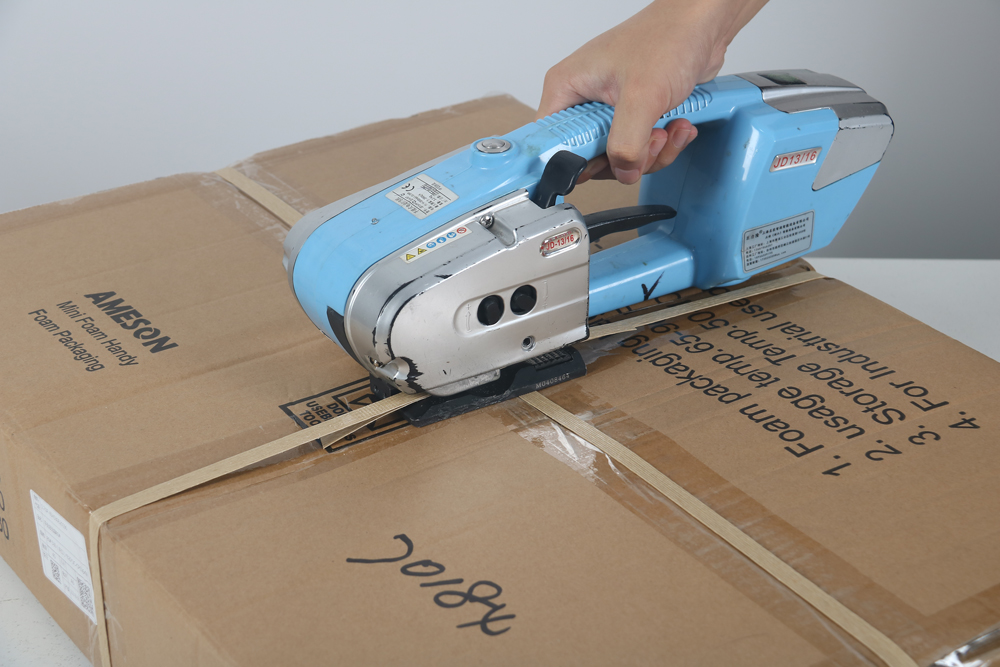
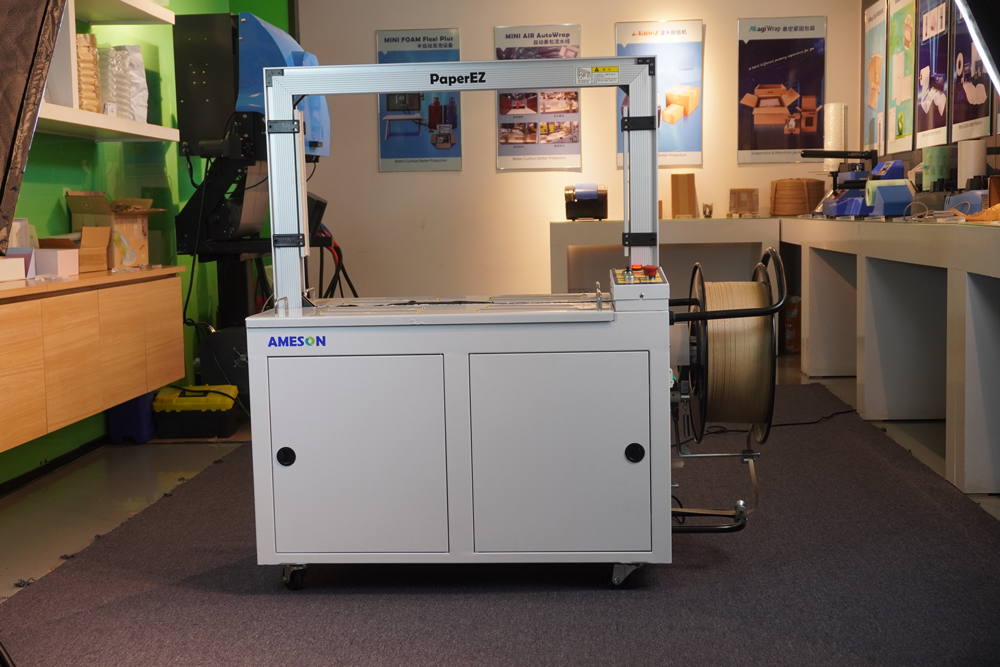
A handheld electric strapping tool is a battery-powered device designed to automate the physical effort of securing freight. Unlike stationary automatic machines, a cordless unit is completely mobile. Weighing just 3.6 kg, it allows warehouse operators to walk freely around the facility and secure loads directly on the floor without being tethered to a fixed workstation or a power cord.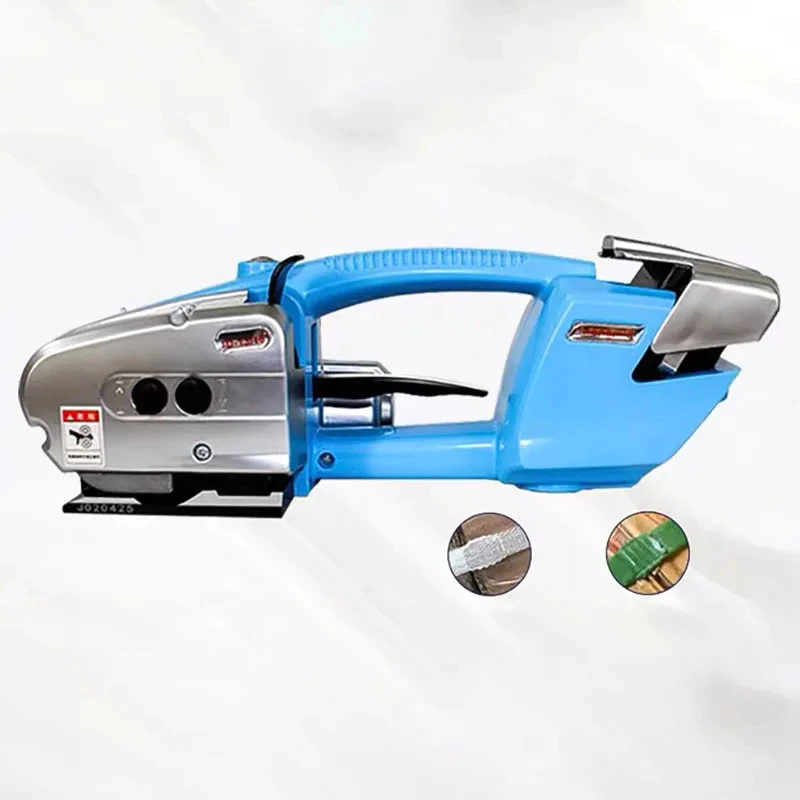
Upgrading to an electric strapping tool for packaging is about eliminating repetitive labor and reducing consumable costs.
Consolidated Workflow: Instead of using separate tensioners and manual sealers, an electric tool combines tensioning, friction welding, and cutting into a single automated sequence.
Zero Metal Clips: Because the tool uses friction welding to fuse the strap together, you no longer need to buy, inventory, or manually attach metal seals.
Mechanical Consistency: The device provides mechanically controlled tension, helping operators maintain more consistent strap tightness across packages.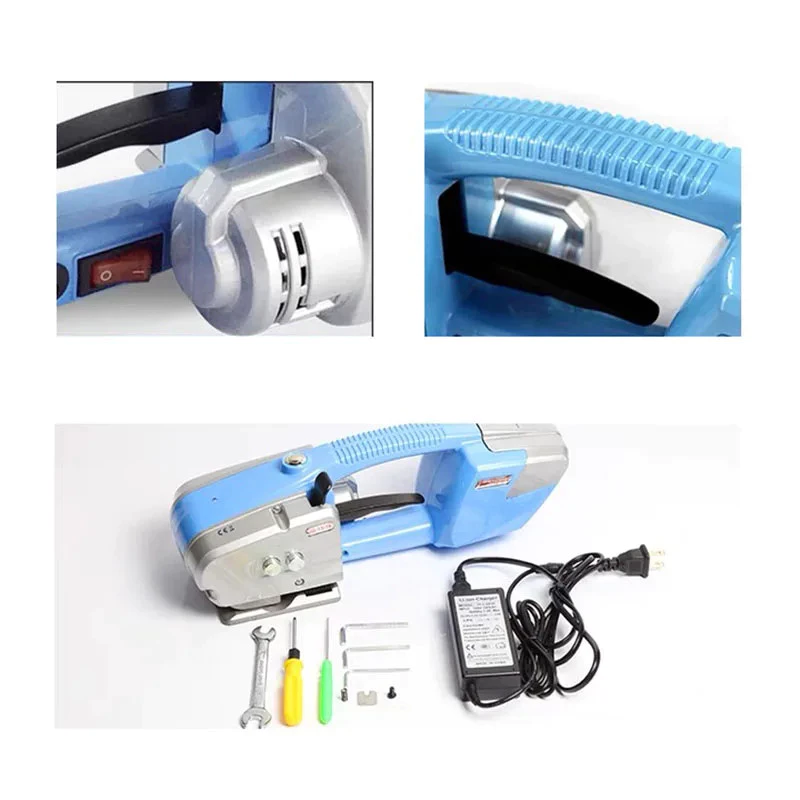
The primary cordless strapping tool benefits center around mobility and flexibility. A handheld strapping tool for cartons and pallets fits perfectly into dynamic logistics environments. It is highly effective for:
Palletizing: Moving around a large, loaded pallet to apply multiple vertical and horizontal bands quickly.
Warehouse Packing: Securing varying sizes of bulky freight directly on the floor or loading dock.
Frequent Shipments: Keeping up with high-volume outbound logistics without causing operator fatigue.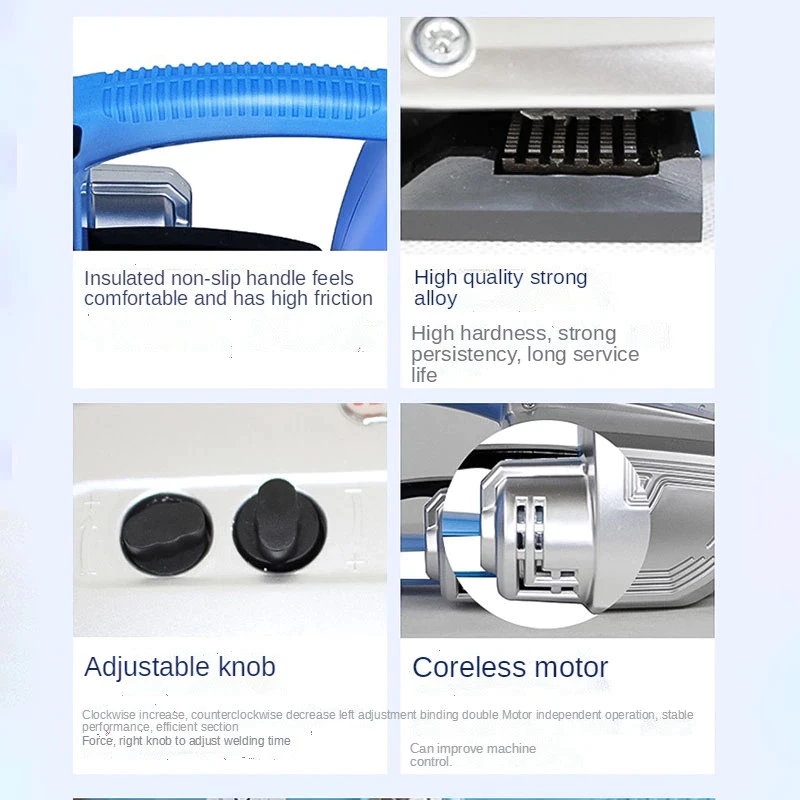
Modern electric tools are not limited to traditional plastics. As businesses shift toward sustainable operations, the equipment must adapt.
The Ameson handheld electric strapping tool is engineered to run both Paper Strapping and Plant Fiber Strapping. The automatic tensioning and friction welding mechanism is designed to secure these materials while maintaining reliable joints. This ensures the plant-based straps maintain their structural integrity without snapping the fibers or creating weak joints during transit.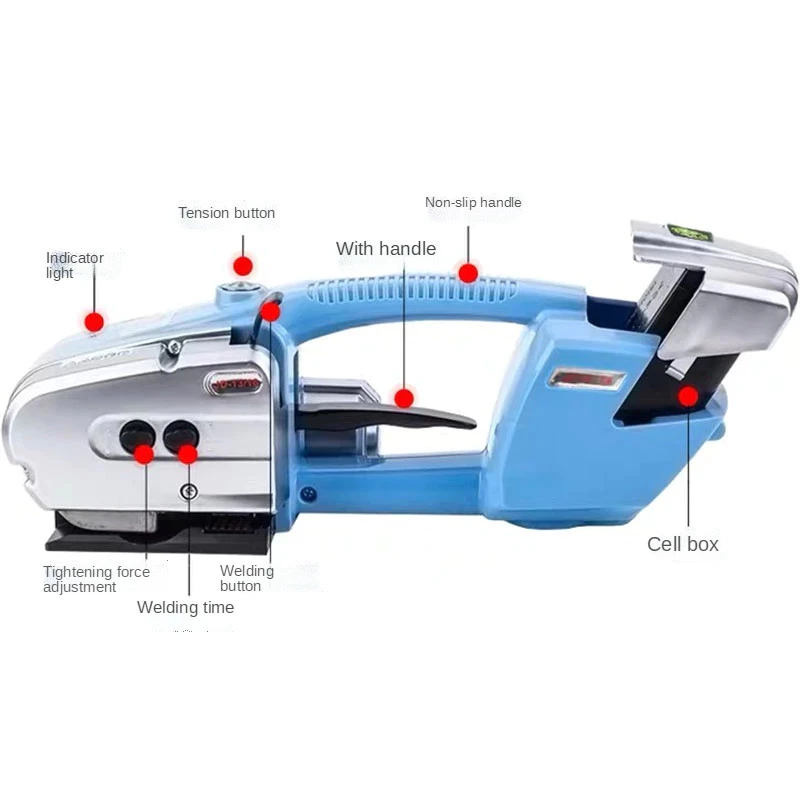
Is the tool worth the investment? It depends entirely on your daily shipping routine.
It is probably not worth it if: You only ship a few small boxes a week. For occasional, low-volume packing, manual hand tools remain the most cost-effective choice.
It is highly worth it if: You handle frequent daily shipments, secure large pallets, or want to eliminate the recurring cost of metal clips. If your warehouse staff is fatigued by repetitive manual banding, or if you are transitioning to paper or plant-fiber strapping, a cordless electric tool can improve packaging efficiency and may offer a worthwhile return on investment when used frequently.
It can be worthwhile for businesses that handle frequent shipments. The combination of faster operation, reduced physical effort, and no need for metal clips can help offset the cost of the tool over time.
An electric tool mechanically automates the tensioning, welding, and cutting process. A manual tool requires the operator to perform these steps physically, often requiring consumable metal clips to secure the joint.
Yes. A cordless design can be used for both cartons and pallets. Operators can apply straps to individual cartons on a packing bench or move around a large pallet to secure the load on the warehouse floor.
The main benefits are mobility, process consistency, and reduced physical fatigue. The lightweight, battery-powered design allows operators to pack freight in different areas of the warehouse without relying on a fixed power source.