China
China
 Malaysia
Box size dictates everything. Picking an expanding foam bag just because it looks big enough usually ends badly—either you waste material, or things break. You have to figure out the actual gap between your product and the carton walls. Weight matters, sure. But physical empty volume is the real deciding factor.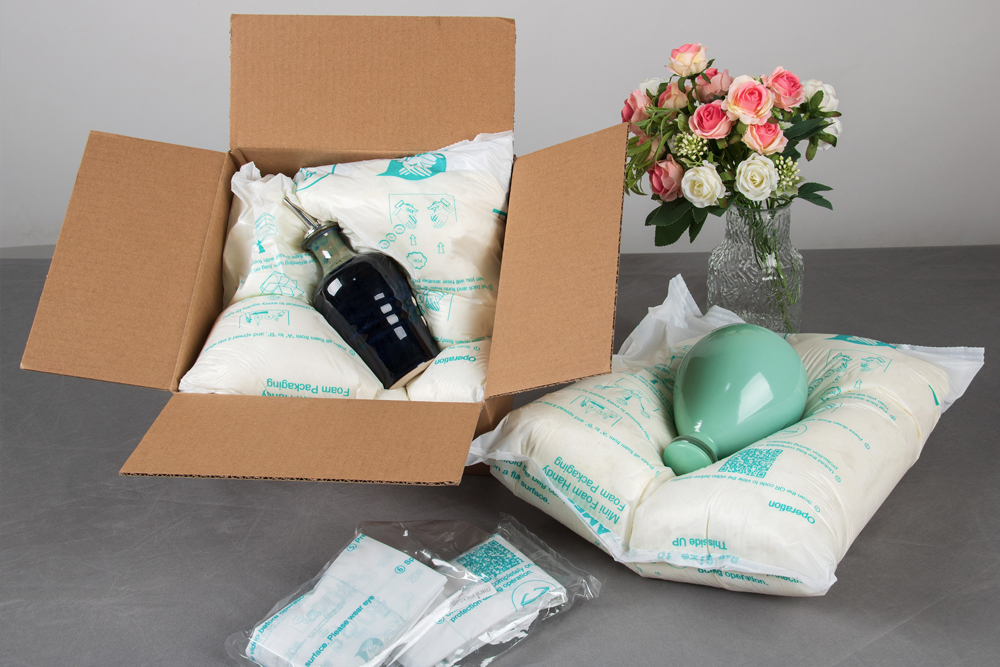
Think about void fill. You are trying to bridge dead space.
A flat motherboard behaves differently in a box than a bulky motor pump. So, look at the footprint first. The internal carton dimensions matter because the foam needs physical room to swell, set, and build a protective shell.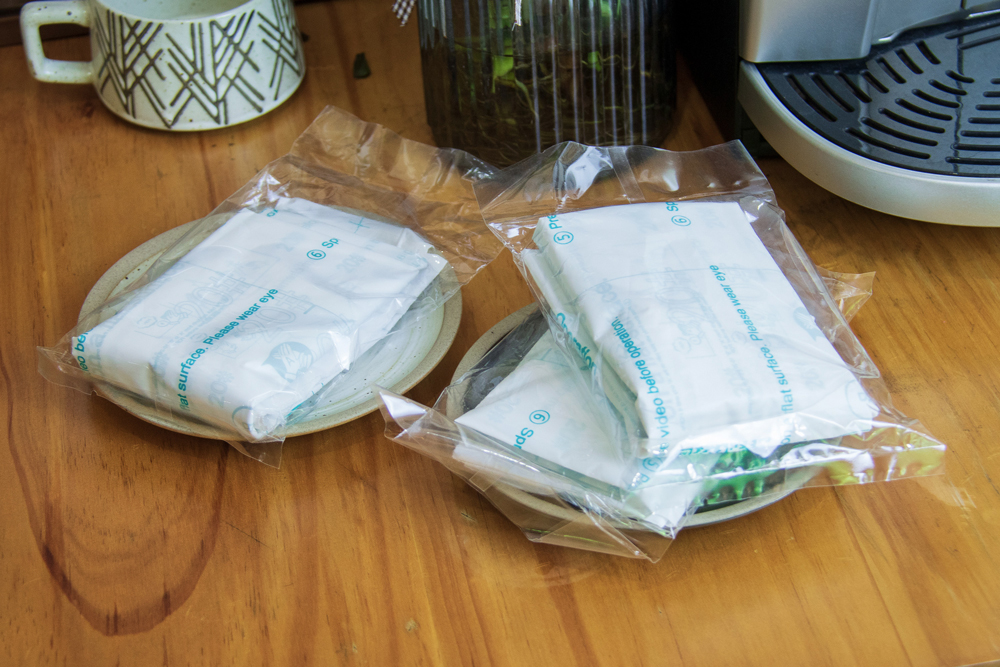
Grab a tape measure. Put your item in the box you plan to ship it in. Measure the gap from the widest point of your product straight to the cardboard wall.
Leave enough space for the foam bag to expand and fill the gaps around the product. The required clearance depends on the product's shape, carton dimensions, and the selected bag size.
Pack it too tight, and the foam has nowhere to go. Pick a box that is way too large, and it might not reach the walls to anchor anything. The bag needs to provide enough expanding foam to fill the surrounding gaps and help secure the product inside the carton.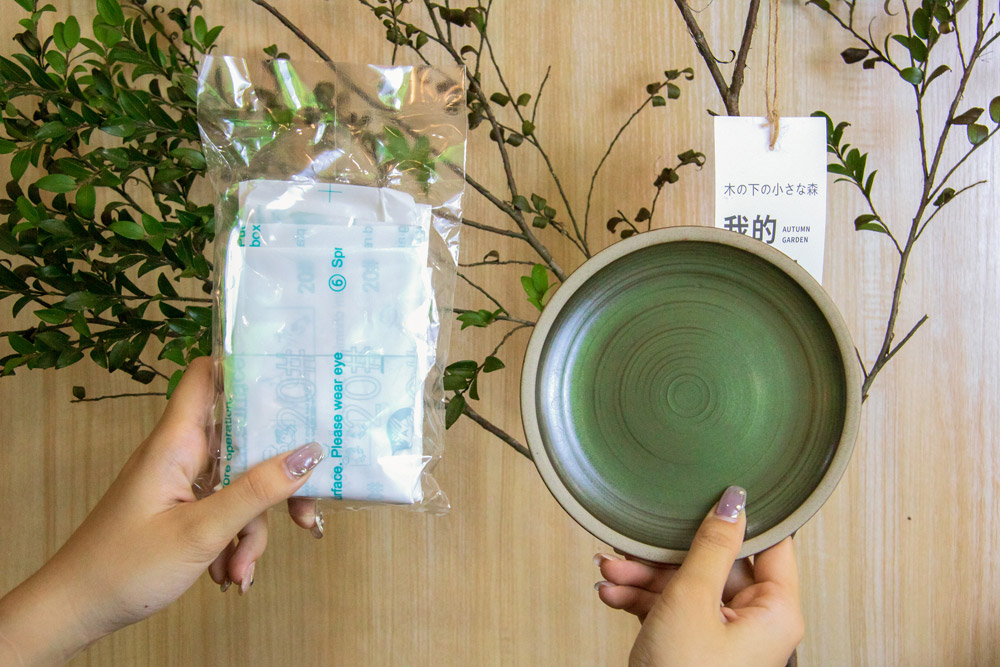
We mapped out standard Mini Foam bags against typical carton sizes below. This helps narrow down the choices.
| Model | Foam Bag Dimensions | Recommended Carton Size |
| #10 | 350 × 410 mm | 20 × 25 × 20 cm |
| #20 | 460 × 450 mm | 25 × 30 × 20 cm |
| #40 | 460 × 580 mm | 30 × 35 × 20 cm |
| #60 | 460 × 580 mm | 35 × 35 × 20 cm |
| #80 | 530 × 620 mm | 35 × 40 × 20 cm |
Note: The #40 and #60 bags have the same flat dimensions but different recommended carton sizes. Choose the appropriate model based on your packaging requirements.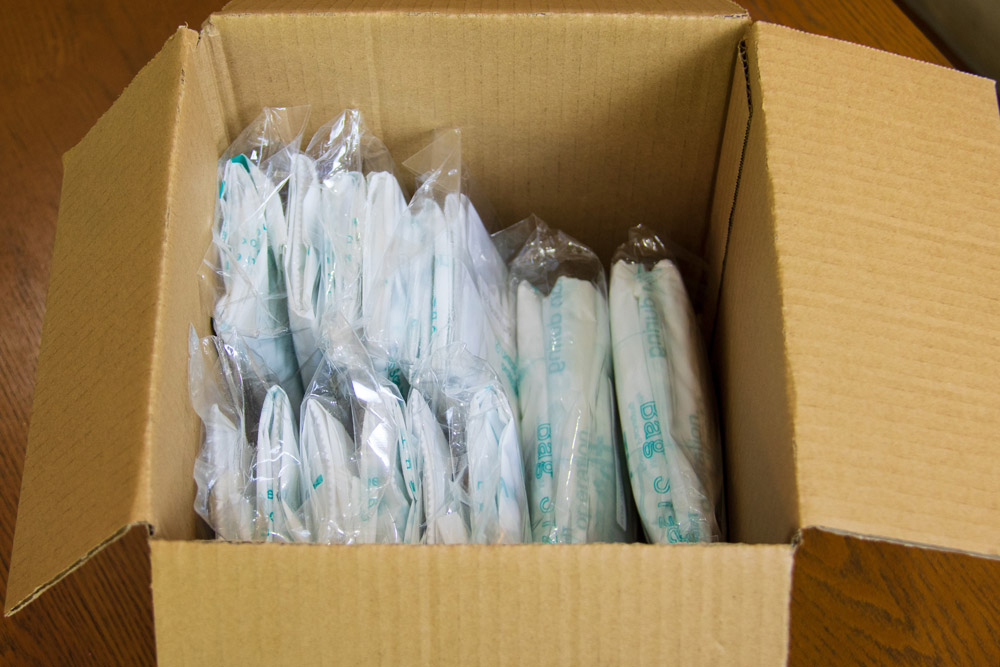
Your product's shape dictates the foam behavior:
Delicate Ceramics: For a fragile vase packed in a 25 × 30 × 20 cm carton, a #20 bag may be a suitable option to help cushion the item and fill the surrounding gaps.
Irregular Parts: Heavy machine gears leave asymmetrical empty spaces. The bag must generate sufficient foam to encapsulate those sharp edges while still reaching the box corners.
Electronics: A flat server component may sit close to the carton walls. Choose a bag based on the available space and required cushioning, ensuring the foam can expand without putting excessive pressure on the carton.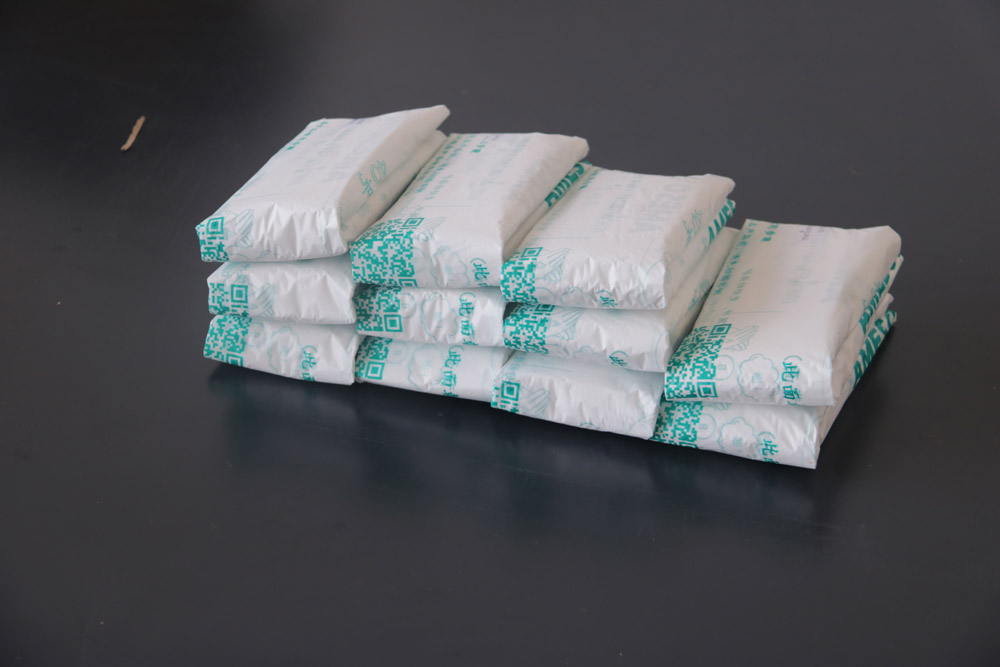
For many applications, using two expanding foam bags can provide better top-and-bottom support. Place one bag beneath the product and another on top, then close the carton to allow the foam to expand within the available space.
You do not always have to do this. Flat goods inside a low-profile box might only need a single bag. If one bag provides sufficient cushioning and helps keep the product in place, a single bag may be enough for that application.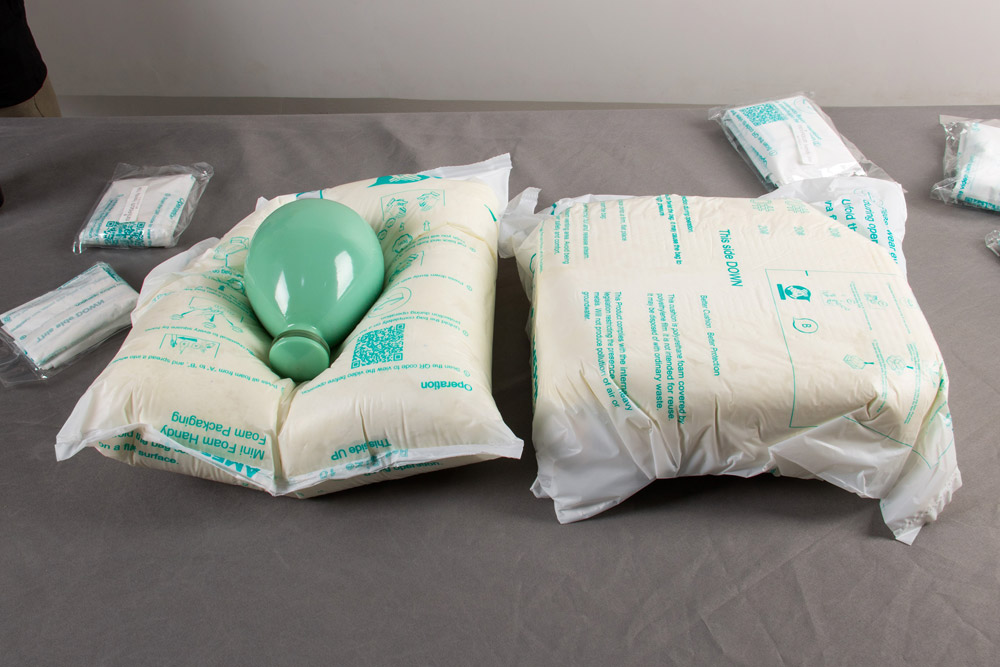
Ignoring the carton: Measuring the item but ignoring the box. The outer boundary actually dictates what bag you need.
No expansion clearance: Shoving a product into a tight box. The mixture needs physical room to swell. Without a gap, no cushion forms.
Weight-based sizing: Weight alone is not enough to determine the right bag size. Consider the product's dimensions, shape, carton size, and cushioning requirements.
Measure the internal dimensions of the carton and the external dimensions of the product. Compare the measurements to estimate the available space around the item and determine how much void fill is needed.
No. It corresponds to the carton volume and the void space around the item, not the exact footprint of your product.
Not always. Depending on the product and carton, one bag may be sufficient. Using two bags can provide additional cushioning from the top and bottom.
The carton sets the boundary. If the box is significantly larger than the recommended size for a specific bag, the foam may not reach the carton walls, leaving the product loose inside the carton.