China
China
 Malaysia
Shipping ceramic tableware means dealing with fragile rims and heavy bases. The biggest risk during transit is not just the box being dropped; it is the plates and bowls colliding with each other inside the carton. To prevent chips and cracks, you need a packaging strategy that isolates every single piece.
Here is a practical guide to packing multiple ceramic dishes securely using bubble paper.
For the primary wrapping layer, bubble paper (paper bubble wrap) is highly effective. Instead of being flat, it features a deep concave-convex structure. These pressed paper bubbles act as tiny shock absorbers, creating a physical cushioning layer that helps reduce impact forces and lowers the risk of delicate ceramic surfaces and edges directly contacting hard objects.
If you are shipping highly glazed or delicate ceramics and worry that the kraft paper might cause micro-scratches on the surface, there is a simple workaround: wrap the dish in a layer of soft white tissue paper first. Once the surface is protected by the soft paper, apply the bubble paper over it for structural cushioning.
The basic rule for wrapping is to completely cover the rims, bases, and sides. If one sheet of bubble paper is not large enough to cover a dish, do not hesitate to use a second sheet.
Place the plate flat on the bubble paper. Fold the wrap tightly over the front and back. The outer rim is where plates most commonly chip, so make sure the paper wraps securely around that entire edge. Tape the paper down so it stays in place. After wrapping, check the entire rim to ensure no bare ceramic is exposed, paying close attention to where the paper folds.
Set the bowl upright on the bubble paper. Bring the paper up along the outside walls and fold it securely over the top rim. After folding, check that the base, the outer walls, and the entire rim are fully covered by the protective layer. Apply tape to secure any loose folds so the paper stays tightly wrapped around the bowl during handling.
Never let wrapped ceramics sit directly against each other. Friction and pressure increase the risk of scratches, chipping, or cracking.
When stacking plates, you can lay them flat on top of one another, but you must place a dedicated cushioning buffer—like an extra sheet of bubble paper or a thick cardboard pad—between every single plate. Alternatively, you can stand plates vertically on their edges. However, if you use the vertical method, they require enough cushioning support on all sides to hold them upright and prevent them from leaning or colliding.
When arranging bowls, you can nest them inside one another to save box space. But you must place a thick layer of paper between each bowl. Without this barrier, the pressure of the shipping box can cause nested bowls to lock together, scratch, or crack.
Once your wrapped ceramics are arranged in a heavy-duty shipping box, leave a buffer gap around the sides, top, and bottom. You need to fill this empty space so the dishes cannot move or shift. You have a few great options for void fill:
Kraft paper void fill: Crumpled kraft paper is excellent for blocking heavy items and keeping them stable in the center of the box.
Honeycomb paper: This material can be shaped to fill suitable gaps between the dishes or used as an additional wrapping layer to provide extra shock absorption.
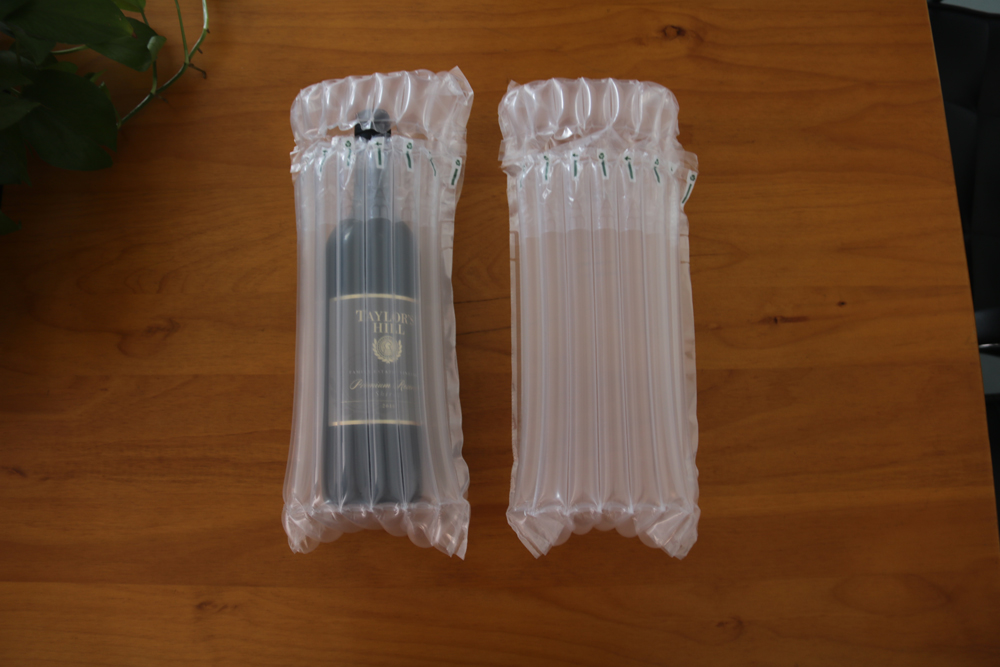
Air pillows: A lightweight option to fill large empty spaces at the top or sides of the box without adding extra shipping weight.
Before sealing the carton, close the flaps and gently shake the box. You are checking for any noticeable sliding. If the items shift, open the box and add more void fill until the contents are securely held in place. Once everything is secure, tape the box shut.