
 China
China
China
China
 Malaysia
If you've been watching your shipping expenses climb month after month, you're not alone. Most e-commerce sellers focus on carrier rates and delivery zones, but there's something else quietly draining your budget: your packaging choices. The boxes you use, the materials inside them, and even how much empty space you're shipping can add 15-20% to your fulfillment costs without you realizing it.
Here's what's actually happening. Carriers don't just weigh your packages anymore—they calculate dimensional weight, which means that oversized box filled with foam peanuts or crumpled paper is costing you as if it weighs much more than it does. A three-pound item in a 12x12x12 box might get charged as if it weighs over 12 pounds. That's four times the actual weight, and you're paying for every ounce of that difference.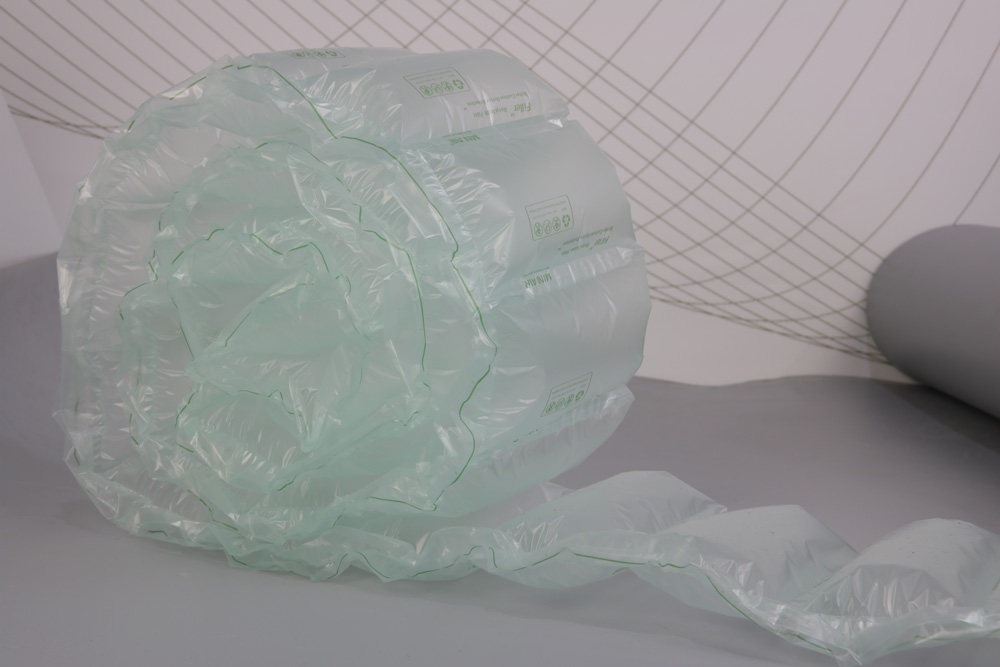
Walk into most shipping areas and you'll see the same setup: stacks of different-sized boxes taking up floor space, bins of foam peanuts or shredded paper, rolls of bubble wrap. All of this costs money to buy, costs money to store, and costs money to ship. Heavy packaging materials add weight to every single order, and when you're shipping hundreds or thousands of packages monthly, those extra ounces translate directly into higher freight bills.
Then there's the damage problem. Inadequate protective packaging means returns, replacements, and frustrated customers. Each damaged item doesn't just cost you the product—it costs you the original shipping, the return shipping, the replacement shipping, and your customer's trust. These costs add up faster than most sellers realize.
This is where air cushion solutions change the math entirely. Products like air pillow film, air bubble film, and air column bags work on a simple principle: they're mostly air, not material. We're talking about packaging that's 99% air and only 1% plastic film. That means you're not adding unnecessary weight to shipments, which directly reduces your dimensional weight charges.
The practical benefits go beyond just weight savings. Air cushion packaging ships and stores flat on rolls until you need it. Instead of dedicating warehouse space to pre-made boxes and bulky void fill materials, you keep compact rolls on hand and inflate them as needed. Some of our clients have cut their packaging storage footprint by more than half just by switching to inflatable packaging systems.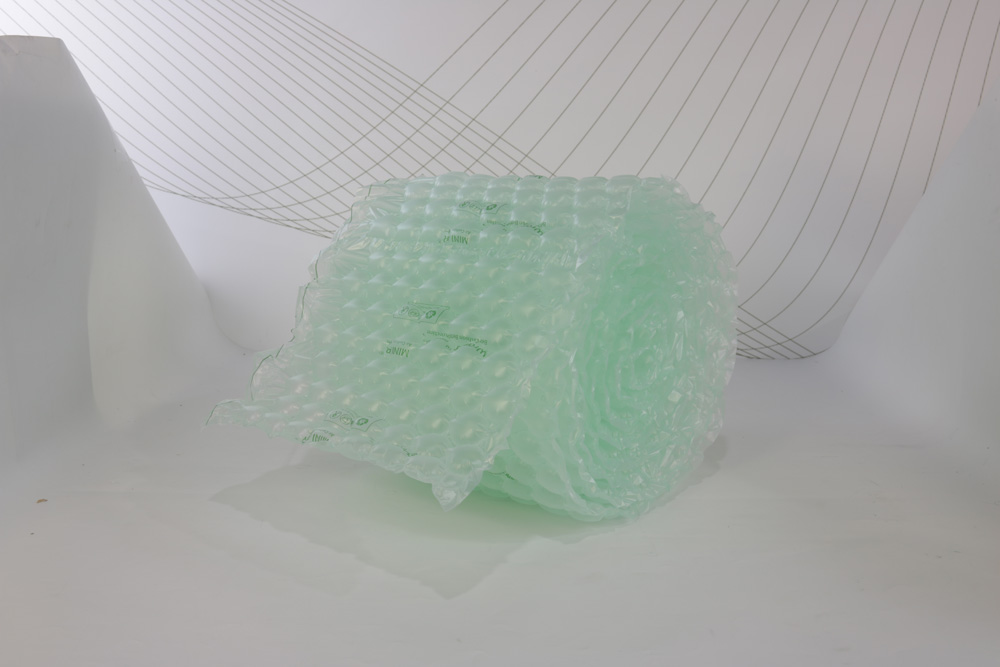
Let's talk real numbers. A mid-sized online seller shipping 10,000 packages monthly can easily waste $3,000 to $5,000 annually through inefficient packaging alone. By switching to lightweight air pillow film and right-sizing their approach to void fill packaging, that same seller typically sees packaging material costs drop by 30-40% within the first few months. Shipping weight reductions of 25-35% are common, which means lower rates with every carrier.
The protection factor matters too. Air column bags, designed specifically for fragile items, use independent air chambers that keep products secure even if one chamber gets punctured. Compared to loose fill or paper, which can shift and compress during transit, inflatable packaging maintains consistent cushioning from your warehouse to the customer's doorstep. Less damage means fewer returns and replacement shipments eating into your margins.
You don't need to overhaul your entire operation overnight. Start by evaluating your most frequently shipped items and their typical box sizes. If you're consistently using boxes that are too large and filling the extra space with heavy materials, that's your first opportunity. Air bubble film and air pillow systems can replace traditional void fill while cutting both material costs and shipping weight at the same time.
For fragile products—glassware, electronics, ceramics—air column bag solutions provide targeted protection without the bulk and weight of foam or excessive bubble wrap. The key is matching the right protective packaging to each product type rather than using a one-size-fits-all approach that wastes money on every shipment.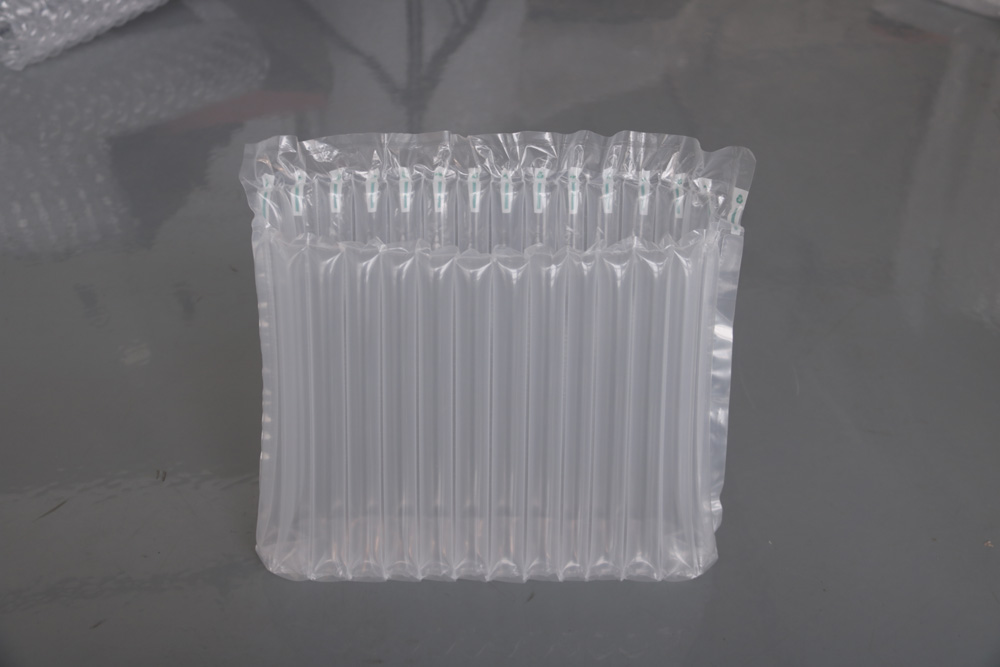
Your shipping expenses won't fix themselves, but you have more control than you might think. While you can't change carrier rate increases or fuel surcharges, you can absolutely change how much your packages weigh and how much space they take up. Air cushion packaging isn't just about following trends—it's about keeping more money in your business instead of handing it to shipping companies for the privilege of mailing air in oversized boxes. The math is straightforward: lighter packages, smaller dimensions, and better protection equals lower costs and happier customers. That's a combination worth paying attention to.


